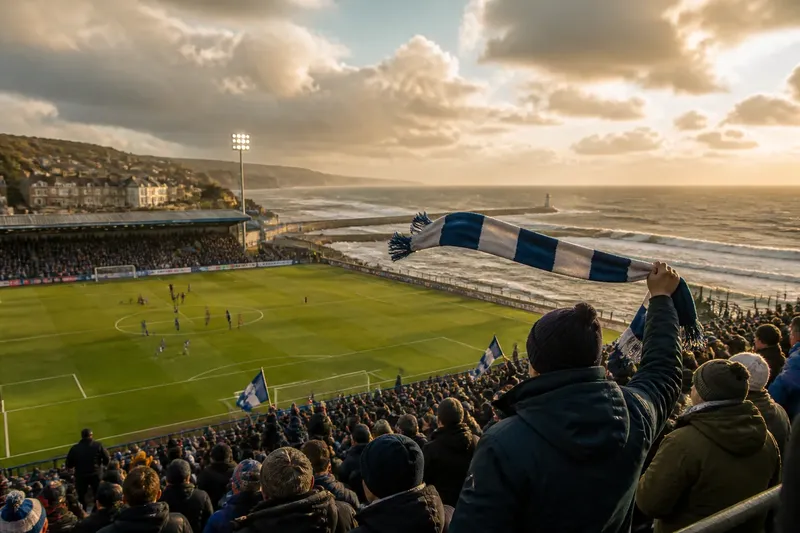
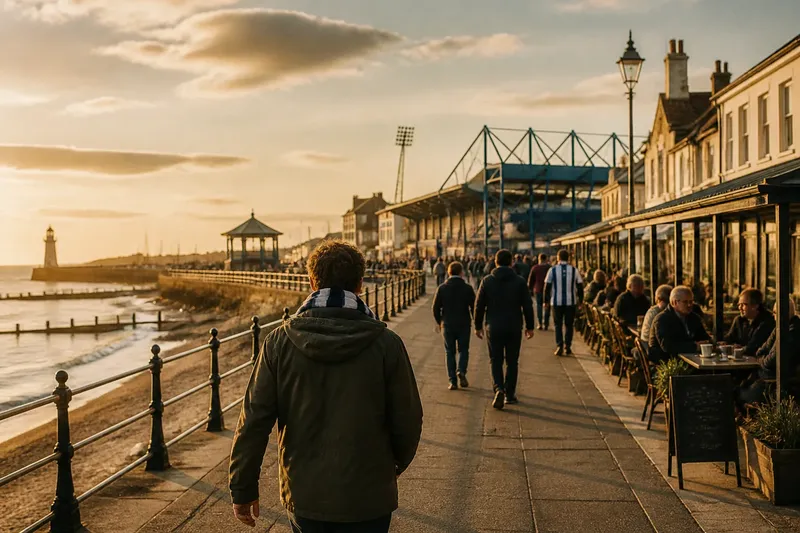
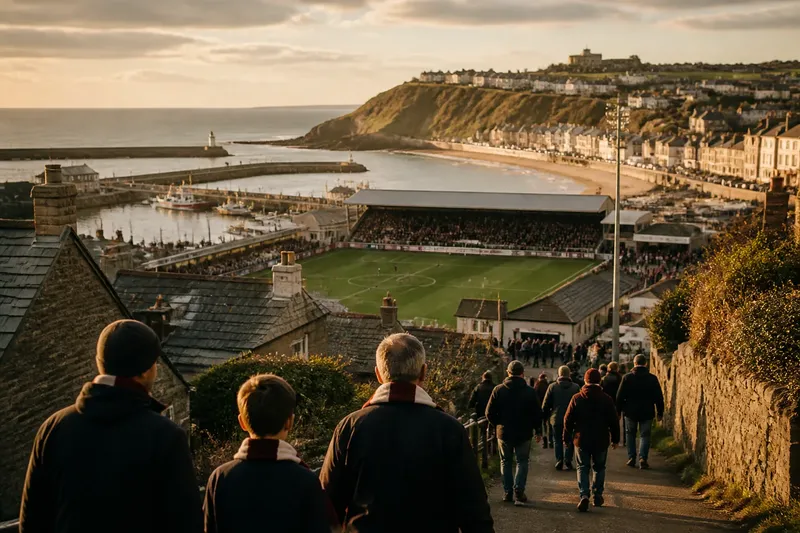
How Seaside Football Became Local Club Life
How seaside football became local club life: see how recurring fixtures, shared grounds and local organisers could turn casual games into lasting ties.
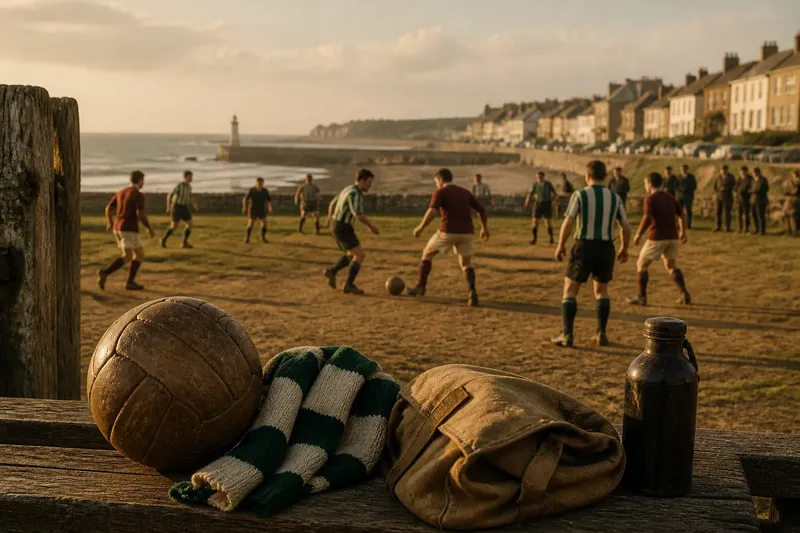
Seaside football became local club life when players found ways to meet again. A kickabout on open ground could bring neighbours together, but recurring fixtures needed organisers, opponents and a place to play. The shore offered settings for games; local people shaped what followed.
Open ground made football an easy seaside pastime
Before a formal club existed, football could fit into leisure time wherever a usable space and enough willing players met. A beach, common, field or stretch of ground near a settlement might serve, depending on the landscape and who could use it. Teams could be assembled from whoever was present, with boundaries agreed on the spot.
That informality was part of the attraction. Players did not need a committee to begin, and passers-by could stop to watch. The game belonged to those who turned up, though access was not necessarily equal: people could have different opportunities to claim a playing space or spare time for sport.
Coastal towns had varied patterns of leisure and work. Residents, visitors, sailors, dock workers and people in local trades might have different free hours. A game could bring some together, but it could also remain the recreation of a narrower circle. The shore provided a setting, not a single social recipe.
Regular fixtures needed organisers and shared routines
The move towards club life often began with repetition. Players who wanted to meet again had to settle on a time and place, keep a group together and find opponents. Someone needed to send word, agree on a fixture and make sure both sides knew where to meet. These small acts made a game something people could anticipate.
It is like putting a chair out for a guest: the chair matters, but the invitation is what makes someone expect to gather. For a football group, a dependable routine served as that invitation. A name, a regular meeting point and a person who took responsibility could give a loose group a recognisable identity.
As the group became more organised, practical needs became harder to ignore. Players might need a ground they could use regularly, equipment kept in one place and rules both teams accepted. A club might also need funds or a committee to handle arrangements. These changes did not have to arrive together. Some groups stayed informal; others organised quickly because their members had a reason and the means to do so.
Seaside football followed different local routes
There was no single coastal transition from casual games to local clubs. A side might form around a workplace or social association; another group of enthusiasts might arrange fixtures independently. Where open land was available, recurring matches could take hold before formal structures appeared. In a crowded settlement, finding a pitch might be the first serious obstacle.
Visitors could contribute to football’s presence without creating a local club. Seasonal gatherings might bring players and spectators or make a game more visible. But people who returned after holiday crowds had gone were often better placed to maintain a local side. Some clubs could draw on both residents and seasonal interest; others grew from everyday neighbourhood life.
Schools, employers, churches, recreation groups and existing sporting associations could provide players, organisers or access to a ground. Their influence depended on local circumstances and the people involved. An institution might help a club take shape, but a side could also develop through the persistence of a small circle.
Ground access shaped whether a club could continue
A recurring fixture needs somewhere to be played. Available space near the coast could be affected by housing, industry, dunes, slopes, public access and competing uses of open land. A place that worked for a casual kickabout might not suit regular fixtures, particularly if another group claimed it or the surface could not support frequent play.
Finding a settled ground brought practical and social decisions. Who could use it? Would spectators be welcome? Could the club meet the costs and responsibilities attached to the arrangement? The answers shaped how the side organised itself. With a reliable home venue, players could build familiar habits around matchday; a team relying on borrowed spaces had to work harder to keep its routine intact.
A permanent ground was not the only sign of an established club. A group could have a strong local identity while playing at different venues, especially where land was scarce. What mattered was whether players and organisers could keep football going in the conditions available to them.
Local identity grew through repeated commitments
Clubs became part of local life through more than their names. A regular fixture gave people a reason to meet; a familiar strip or badge helped distinguish one side from another; and nearby players made the club visible beyond matchday. These signs offered a shared way to recognise a group, even if loyalty took time to grow.
Rivalries could strengthen that identity when nearby sides met regularly. A fixture might reflect competition between neighbourhoods, workplaces or social circles, though its meaning depended on the people involved. Not every coastal club began with a derby, and local rivalry did not always follow a simple boundary.
Imagine a group of residents who meet for informal matches on a common after work. One member arranges fixtures with a nearby village side, while another keeps a list of who can play and when. They meet repeatedly, then decide whether to adopt a name and seek steadier access to a field. The observable change is that players and opponents treat the matches as commitments rather than chance encounters. This invented situation shows one plausible route, not a record of a particular club.
Questions about seaside football becoming a local club
Did seaside clubs usually begin as holiday entertainment?
Not necessarily. Seasonal visitors could contribute players or attention, but a club might depend more on residents and local institutions. The balance varied with local circumstances.
Why did some informal teams never become clubs?
Players might lose interest, move away or lack a dependable place to play. Arranging fixtures and keeping a group together also took time that not every informal side could spare.
Did a club need its own ground to become established?
No. Regular use of a shared or borrowed venue could support club life, even if it brought uncertainty. A settled home ground was useful, but not the only basis for continuity.
What made a seaside club local?
Links with residents, recurring activity and relationships with nearby groups reveal more than a club’s distance from the water. The coastal setting could shape a side, but the community around it gave it a particular character.
Local football history needs local evidence
When tracing a club’s beginnings, look for practical details: who arranged early fixtures, where the side played, how it found opponents and which local groups helped it continue. Club records, old notices and community accounts can preserve different parts of the story. A formal founding account may not capture the informal play that came before.
Seaside football became local club life through repeated decisions, not a universal march from beach game to organised institution. For anyone exploring seaside football history, the useful question is what a particular town could offer and what its players managed to build with it. The answer may lie as much in a borrowed field and a dependable organiser as in the club’s later name.